
The federal lawsuits accuse Alameda County prosecutors of systematically excluding Black and Jewish jurors for decades.
Ernest Dykes, who was sentenced to death for shooting nine-year-old Lance Clark to death in Oakland in 1993, filed a federal lawsuit Tuesday demanding 282 million dollars from Alameda County, arguing that prosecutorial misconduct during jury selection at his 1995 trial entitles him to compensation despite his admitted guilt in the killing.
Dykes, now 52, shot his former landlord, Bernice Clark, then 70, in the neck during a robbery attempt at her Oakland apartment complex. The bullet passed through her and struck her nine-year-old grandson Lance, who was sitting nearby in his grandmother’s car. The boy died before reaching the hospital, five days after his ninth birthday. Bernice Clark survived. Dykes was convicted of first-degree murder and sentenced to death in 1995.
 Free — the opening chapterUnits Are SurroundedFive shootings in five months between members of the Soboba Indian Reservation and law enforcement in the Hemet area of Riverside County. My story about being in the middle of it. The full book is coming.Read how it starts
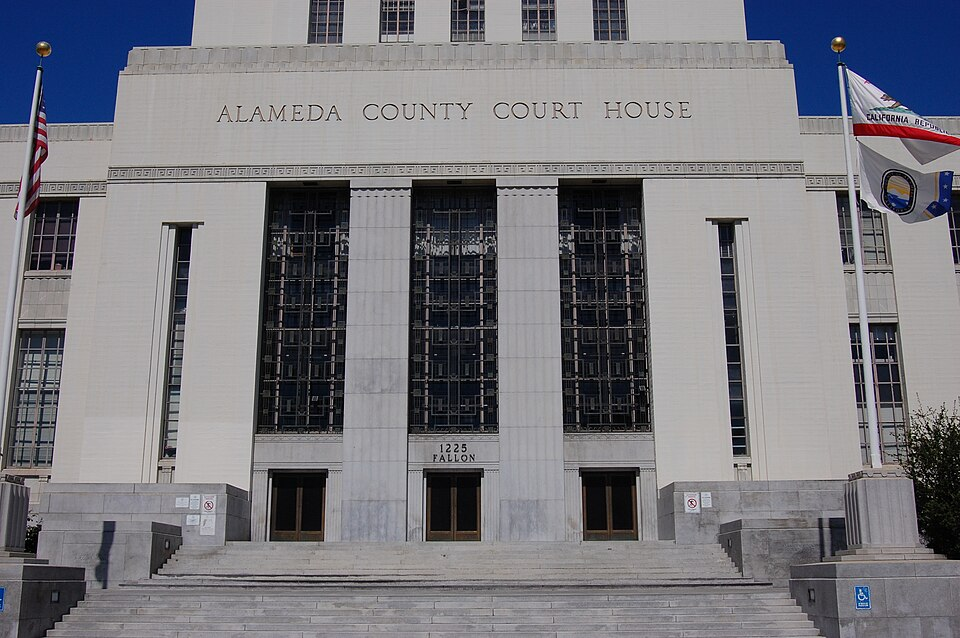
His lawsuit does not dispute that he killed the boy. Instead, it argues that prosecutor Colton Carmine unconstitutionally excluded Black and Jewish people from Dykes’ jury. Carmine allegedly struck the only Black person who reached the final round of jury selection, a woman whose answers during questioning closely matched those of white jurors who were seated. Carmine claimed she was “dodging” questions, a characterization the lawsuit says the trial record does not support. Notes Carmine kept during jury selection also documented his effort to exclude Jewish jurors, including one notation about a prospective juror that read, “I liked him better than any other Jew But No Way.”
Dykes’ case is the second of its kind filed against Alameda County this year. Curtis Lee Ervin, convicted in a 1986 murder-for-hire case and sentenced to death in 1991, filed a similar lawsuit in May seeking 290 million dollars, bringing the county’s combined potential liability in the two cases to 572 million dollars. Unlike Dykes, Ervin has long maintained his innocence in the killing for which he was convicted.
The misconduct underlying both lawsuits surfaced in April 2024, when index cards documenting Carmine’s jury selection notes from Dykes’ trial were uncovered and turned over to a federal judge. U.S. District Judge Vince Chhabria reviewed the notes and found “strong evidence” of a “pattern of serious misconduct,” ordering then-District Attorney Pamela Price to review all 35 capital cases prosecuted in the county over the prior four decades. Price’s office subsequently released several of the handwritten notes publicly, including one describing a Black female prospective juror as a “Short, Fat, Troll” and another stating of a different Black woman, “Says race is no issue, but I don’t believe her.” Price later acknowledged the practice of striking Jewish and Black jurors was not limited to one prosecutor but was carried out by “a variety of prosecutors” within her office.
Following the review, Dykes pleaded guilty to voluntary manslaughter, attempted murder and second-degree robbery, replacing his death sentence with a 32-year term. He was released from custody in August 2025 after roughly 30 years behind bars. His lawsuit argues that without the jury misconduct, he would have completed a lesser sentence and been released by August 2009, meaning he was held approximately 15 years and eight months longer than his actual culpability warranted. He is seeking 32 million dollars in compensatory damages and an additional 250 million dollars in punitive damages, on top of having already had his death sentence and original murder conviction set aside.
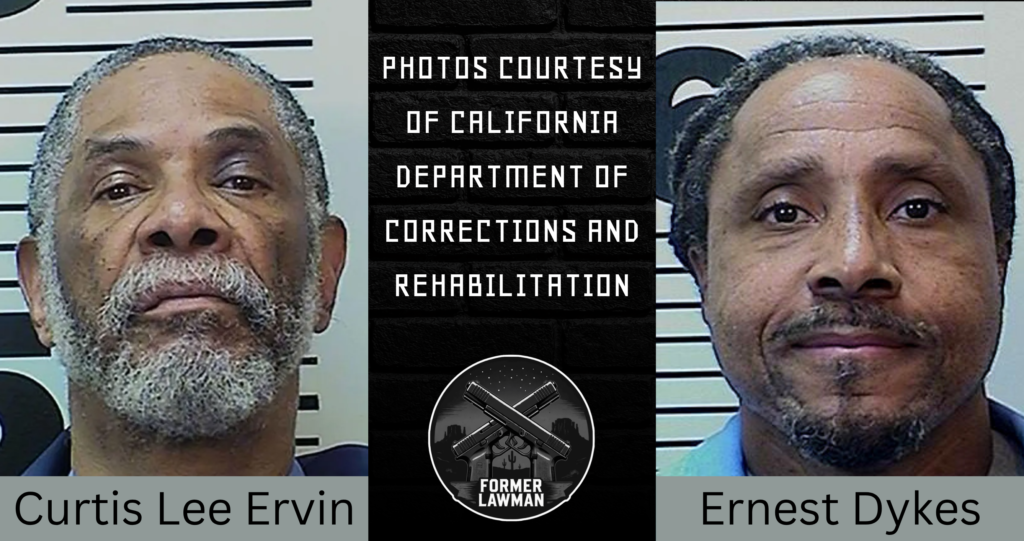
Dykes’ attorney, Brian Pomerantz, who also represents Ervin, said the lawsuits are intended to force structural accountability at the district attorney’s office rather than simply settle quietly. “We want a jury to tell Alameda County, ‘Don’t ever do this again,'” Pomerantz said. “Because I have absolutely zero confidence they’ve learned their lesson.” The Alameda County District Attorney’s Office declined to comment on the lawsuit.

Both lawsuits describe the jury-rigging as a long-standing, office-wide practice rather than isolated misconduct, alleging it was carried out routinely between 1980 and 2012 and reinforced by supervisors within the district attorney’s office. Neither Dykes nor Ervin has been exonerated. Both men instead argue that unconstitutional discrimination during jury selection extended their time in custody beyond what their underlying convictions, even revised ones, would have required, a legal theory distinct from the wrongful-conviction claims typically associated with exonerations.
California has not carried out an execution since 2006. Governor Gavin Newsom imposed a moratorium on executions in 2019, and the state’s death row population has fallen to fewer than 580 people, down from a peak near 750 in the mid-2010s.

Units Are Surrounded
The new book from Ray Dietrich. Five shootings in five months in Riverside County. The full book is coming - read how it starts, free.
