After ten days of testimony, jurors are weighing whether the evidence supports arson or reasonable doubt.
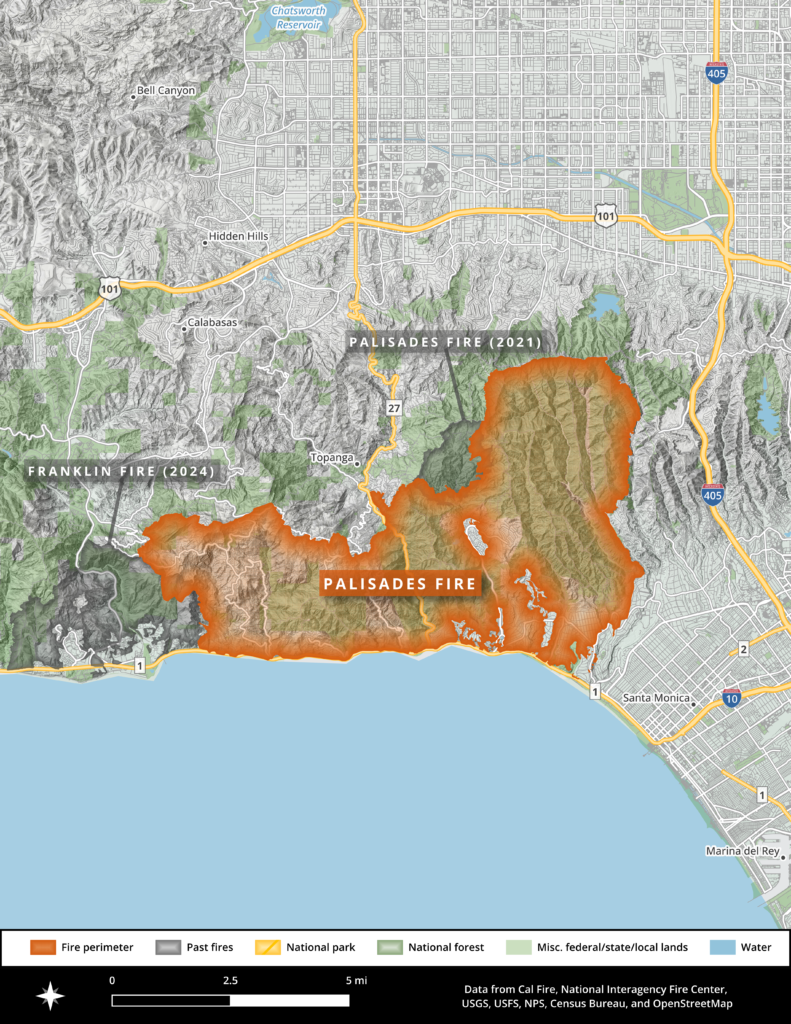
A federal jury in Los Angeles began deliberations Wednesday in the arson trial of Jonathan Rinderknecht, the 30-year-old dual French and U.S. citizen accused of setting the brush fire that prosecutors say eventually destroyed 6,800 structures, burned 23,448 acres, and killed 12 people in the Palisades Fire of January 2025.
Rinderknecht faces up to 45 years in prison if convicted on three federal counts: destruction of property by means of fire, arson affecting property used in interstate commerce, and timber set afire.
 Free — the opening chapterUnits Are SurroundedFive shootings in five months between members of the Soboba Indian Reservation and law enforcement in the Hemet area of Riverside County. My story about being in the middle of it. The full book is coming.Read how it starts
The case centers on what investigators dubbed the Lachman Fire, a small brush fire that ignited just after midnight on New Year’s Eve 2025 in a remote area near Pacific Palisades’ Summit neighborhood. Firefighters believed they had contained it. Prosecutors say it continued smoldering underground in the root systems of brush and trees before re-emerging six days later, fanned into a multi-day catastrophe by strong Santa Ana winds.
During closing arguments Tuesday, Assistant U.S. Attorney Danbee Kim told the jury that Rinderknecht spent months consumed by resentment toward the wealthy and used ChatGPT to air his frustrations before acting on them. Pacific Palisades, she argued, was a deliberate target — a neighborhood that to Rinderknecht embodied everything he despised about the economic divide. A recording from a pre-arrest interview in which he said “that’s what I disrupted” was played for the jury.
The prosecution’s evidence included environmental sensor data placing the fire’s start at 12:12 a.m. on Jan. 1, 2025, along with cell phone geolocation records that contradicted Rinderknecht’s own account of where he was standing when he first saw the flames. He told investigators he was near the bottom of a hiking trail when he spotted the fire; carrier data placed him in a clearing 30 feet from it as it rapidly spread. He made several unsuccessful 911 calls before reaching a dispatcher from the bottom of the trail, by which point a nearby resident had already reported the blaze. He then drove away, turned around to follow arriving fire engines, walked back up the trail, and used his iPhone to record video of the scene at roughly 1:02 a.m. Investigators also recovered a green Bic grill lighter from his rental car.
In a daylong interview with federal agents on Jan. 24, 2025, months before his arrest, Rinderknecht said he may have smoked cigarettes on the trail that night but could not recall the brand or how he lit them.
Defense attorney Steven Haney told jurors the government built its case on assumptions and circumstantial fragments, none of which rise to proof beyond a reasonable doubt. He pointed repeatedly to the timing: the fire started just 12 minutes into the New Year, when multiple witnesses reported hearing fireworks in the area. Retired Los Angeles County Sheriff’s Department arson specialist Ed Nordskog testified for the defense that in his assessment, the physical evidence does not support an arson finding at all and is more consistent with fireworks as the ignition source. He also criticized the initial investigation, noting that authorities did not declare the Lachman Fire origin site a crime scene until weeks after the fact, by which point weather and foot traffic had likely destroyed any forensic evidence.
The prosecution countered with certified fire investigator Derek Hill, who testified that investigators considered and dismissed the fireworks theory early in the inquiry.

U.S. District Judge Anne Hwang barred the defense from arguing that the Los Angeles Fire Department bore responsibility for the disaster by failing to fully extinguish the Lachman Fire. Jurors were also kept from seeing AI-generated images Rinderknecht created depicting burning fires and wealthy enclaves, which were excluded to ensure a verdict grounded in forensic and circumstantial evidence rather than character.
More than two dozen witnesses testified over the 10-day trial. The prosecution closed its case with testimony from Andy Leonard, owner of the Reel Inn, a Malibu seafood restaurant he had operated for 38 years before it was reduced to rubble on Jan. 7, 2025.
Jurors must reach a unanimous verdict on all three counts to convict.
We will update this story as the verdict is returned.

Units Are Surrounded
The new book from Ray Dietrich. Five shootings in five months in Riverside County. The full book is coming - read how it starts, free.
